
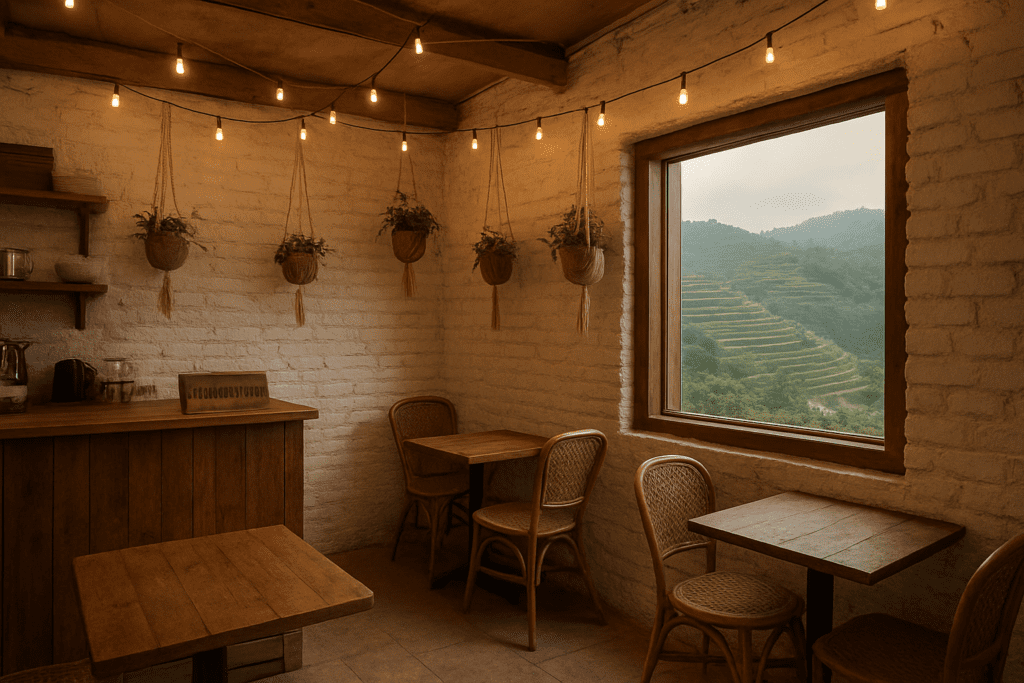
Opening a small cafe in Nepal is a dream for many, whether you’re a local entrepreneur in Kathmandu’s bustling streets or an NRN looking to invest back home. The aroma of freshly brewed coffee, the hum of conversation, and a cozy nook that reflects your personality—all of this can be achieved even on a tight budget. Low budget small cafe interior design doesn’t mean compromising on charm or functionality. With the right strategy, a small space can become an inviting haven that keeps customers coming back. In this guide, we’ll walk you through practical, affordable ideas tailored for Nepal’s unique conditions, from leveraging local materials to adhering to building codes, and how GharNaksa can help bring your vision to life.
1. Smart Layout and Space Planning
Before you buy a single chair, the layout defines your cafe’s soul. A well-planned small space feels open and efficient, cutting down on unnecessary costs. In Nepal, where real estate in prime areas like Thamel or Patan comes at a premium, every square foot counts.
Open Floor Plan and Zones
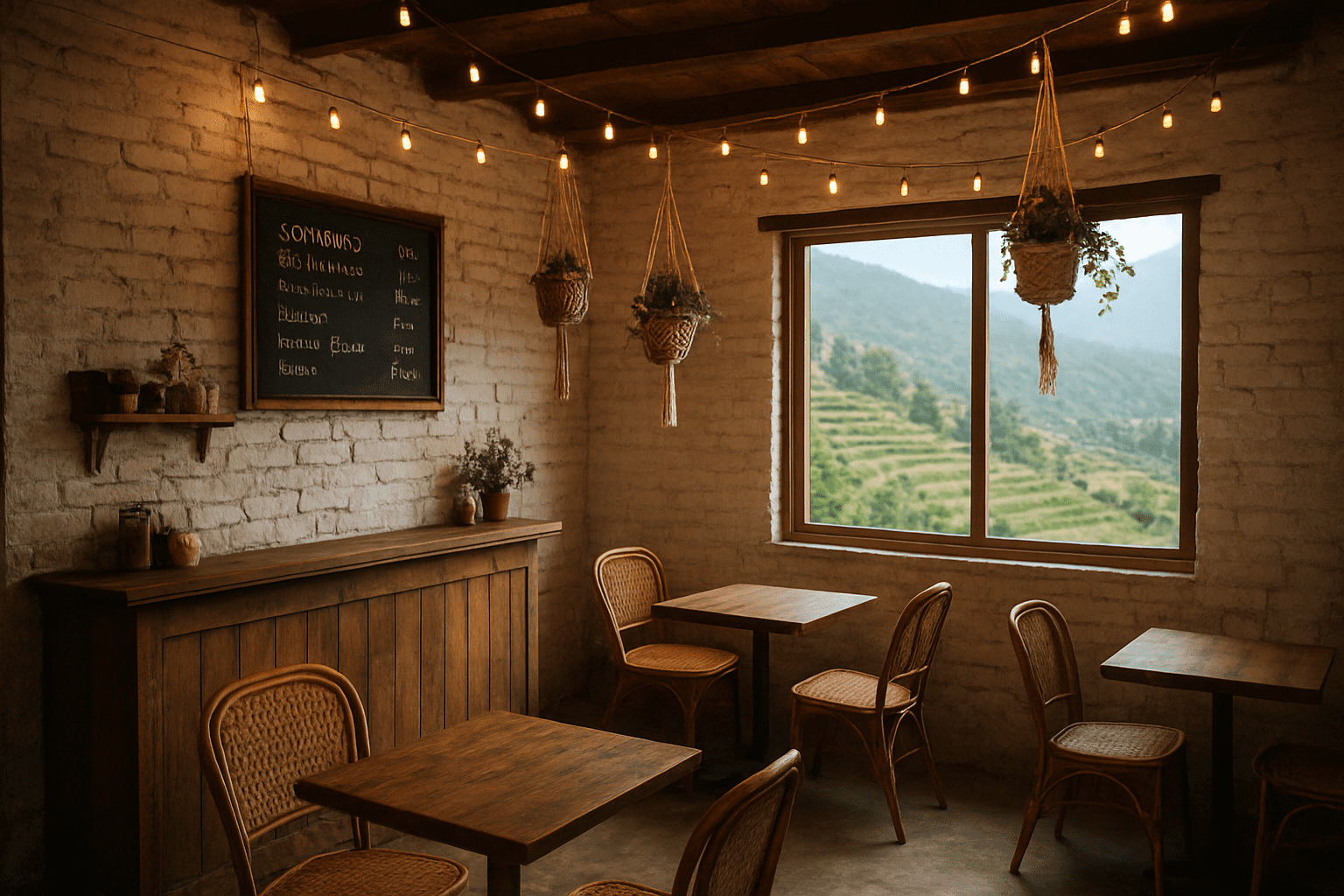
Avoid heavy partitions that block light and flow. An open floor plan can make a 200-square-foot cafe feel twice as large. Define distinct zones—ordering counter, seating, and a small prep area—using subtle division like a change in flooring pattern or a low-backed bench. This zoning not only improves customer flow but also reduces the need for costly construction. For example, a reclaimed wood counter can act as a visual anchor, while floor cushions in a corner create a casual “chautari” vibe without bulky furniture.
Vertical Space Utilization
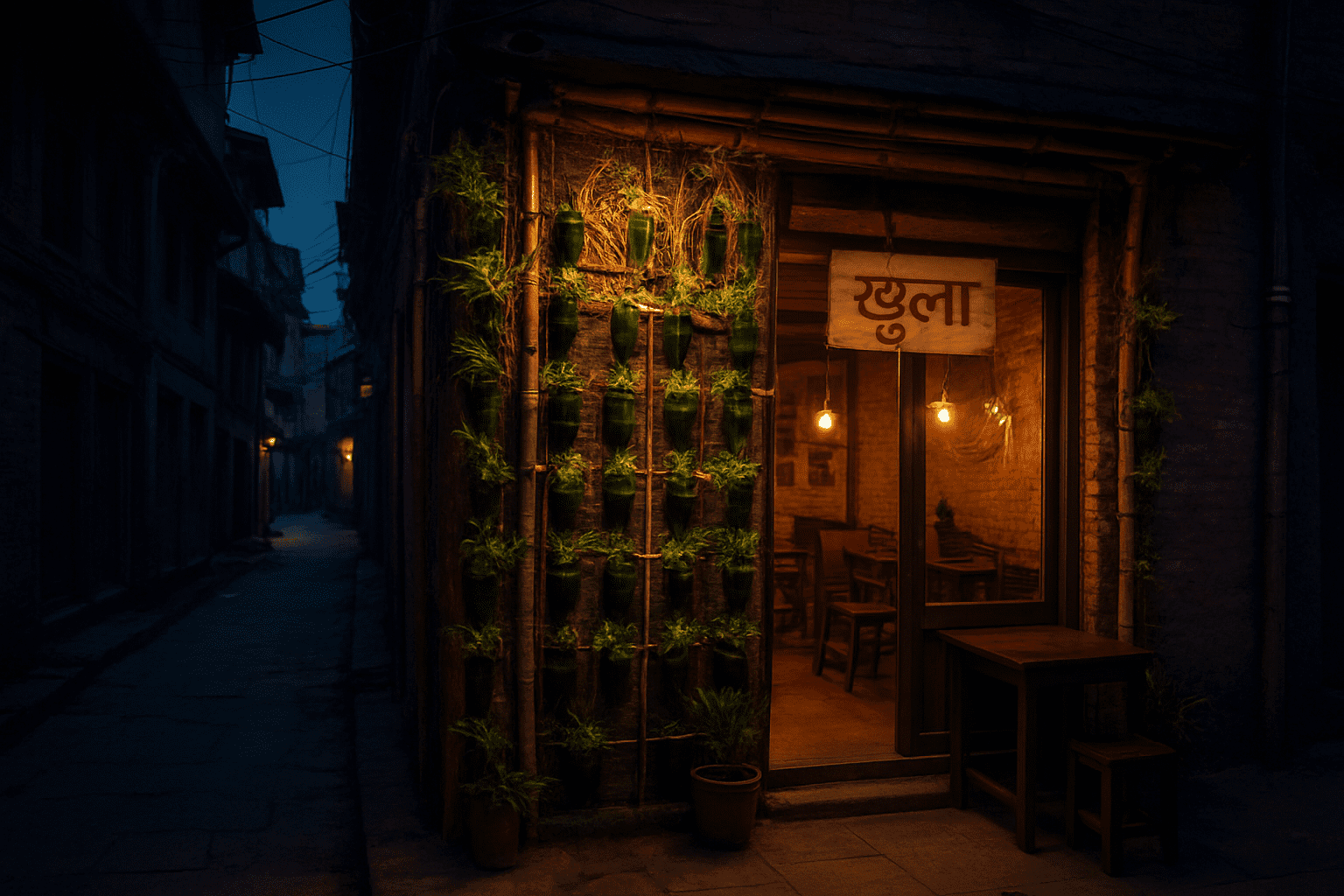
When floor space is scarce, look up. Install floating shelves for merchandise, hanging planters with moisture-resistant local ferns, or a loft-style storage for supplies. In Nepal’s terrace-facing cafes, vertical greenery not only saves space but also offers a cooling effect during pre-monsoon heat. Ensure compliance with the National Building Code (NBC) guidelines for any elevated structures to avoid safety hazards.
2. Cost-Effective Materials and Finishes
Materials eat a big chunk of any budget. Fortunately, Nepal offers a wealth of affordable, culturally rich options that bring texture and warmth.
Local and Recycled Materials
Reclaimed brick, terracotta tiles from Bhaktapur, and bamboo from the Terai are budget-friendly and sustainable. Exposed brick walls (sealed for weather resistance) add rustic charm and eliminate plastering costs. For flooring, polished concrete or local stone slabs are durable and economical. Consider using recycled window frames as decorative wall art or as a room divider—this adds character without a high price tag.
Paint and Wall Finishes
A fresh coat of paint is the cheapest makeover. Neutral tones like warm beige, soft grey, or even traditional Tulsi green make a space look larger and brighter. Accent walls with hand-painted murals by local artists can become an Instagram-worthy focal point; costs vary based on complexity but often cost less than imported wallpaper. For a tactile feel, one wall in exposed brick or a jute-textured panel adds depth on a shoestring.
3. Creative Furniture and Decor on a Budget
Furniture can be one of the largest expenses, but it also offers the most room for creativity. Embrace the “jugaad” spirit—innovative, low-cost solutions that are quintessentially Nepali.
DIY and Upcycled Furniture
Instead of buying new, source second-hand furniture from local bazaars or upcycle discarded items. Wooden cable spools become tables, old trunks turn into quirky coffee tables, and stacked rice sacks can serve as poufs when filled with chaff. Not only does this slash costs, but it also tells a story. A carpenter in Patan Industrial Estate can craft simple benches from reclaimed sal wood for a fraction of retail prices.
Mixing and Matching Styles
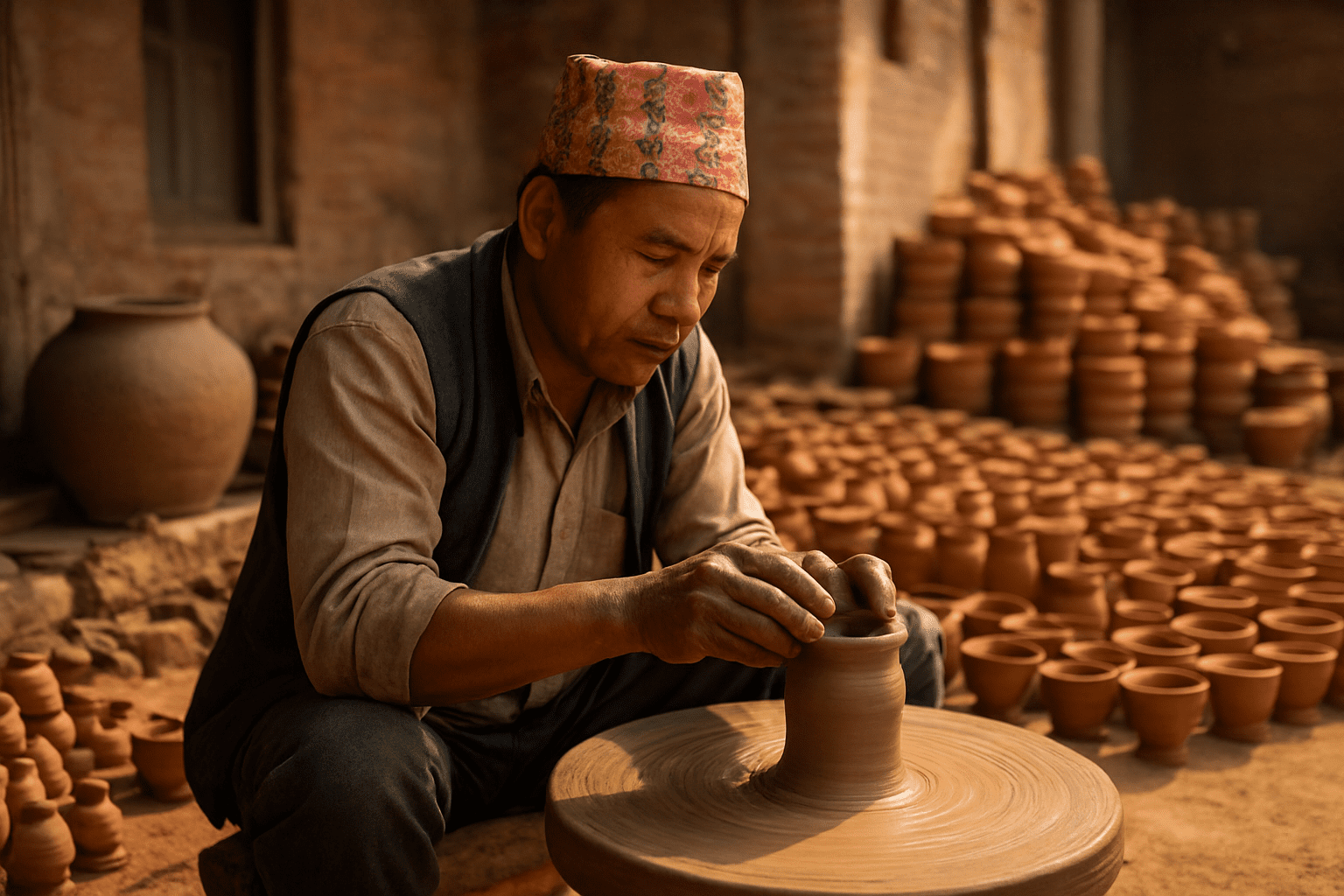
A curated, eclectic look feels intentional and personal. Pair a sleek, budget IKEA-style table with traditional Nepali hand-carved chairs found in antique shops. Mismatched crockery from local potters adds charm, while dhaka fabric napkins infuse local color. Thrift stores in Kupondole or online marketplaces often have hidden gems for decor like brass utensils, vintage posters, or woven baskets.
4. Lighting and Ambiance Without Breaking the Bank
Lighting transforms a plain room. Use a layered approach to create a warm, welcoming glow without expensive fixtures.
Maximizing Natural Light
Make the most of windows and doors. Sheer curtains allow daylight while offering privacy. If your cafe faces a courtyard or terrace, install large glass panels—initial investment pays off in reduced electricity bills. In Nepal’s hilly regions, mornings can be gloriously lit; orient seating toward the sun’s path for a naturally inviting atmosphere.
Affordable Fixture Ideas
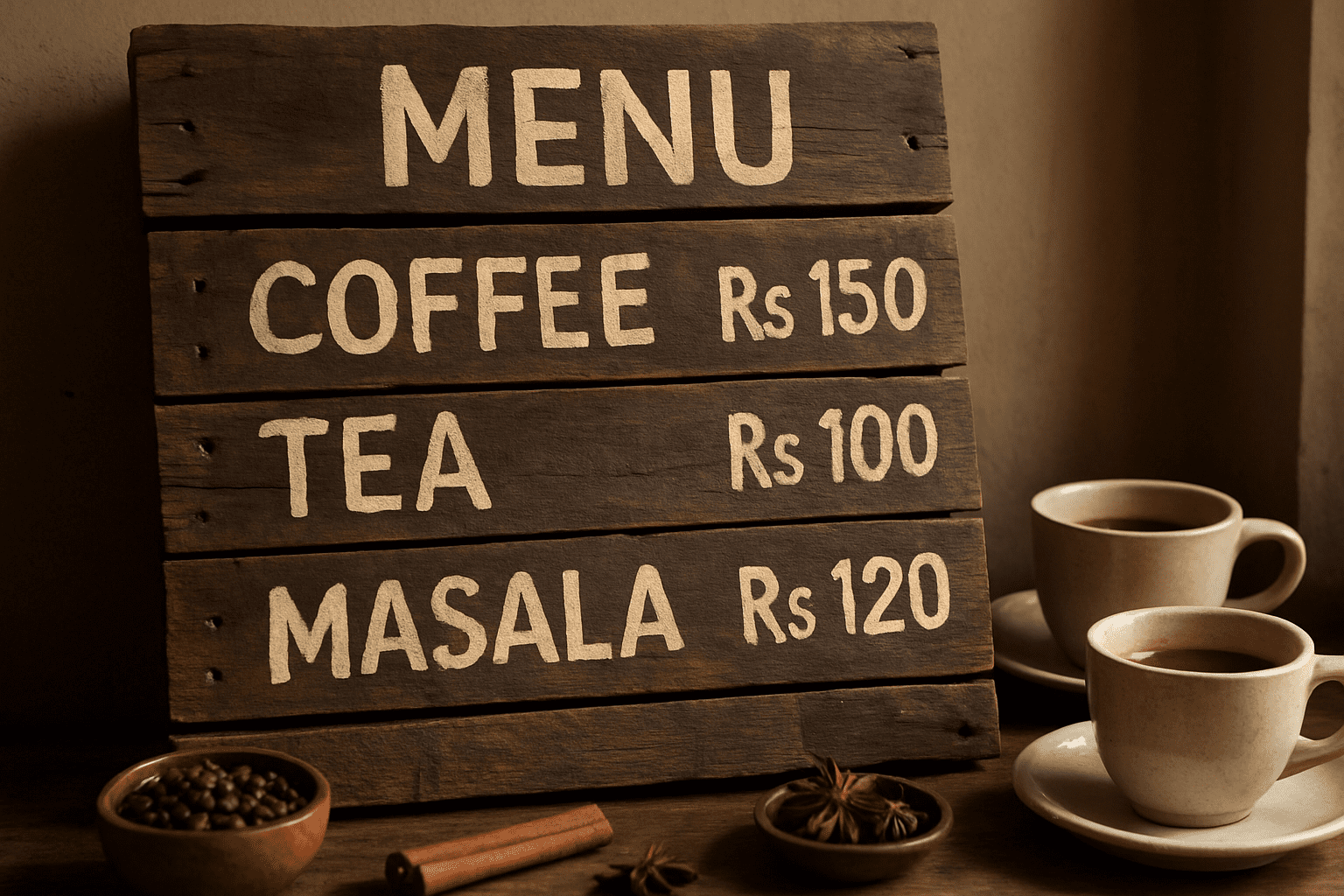
String lights (fairy lights) are a low-cost favorite for a magical evening vibe. Pendant lamps crafted from rattan or bamboo by local artisans cost little and scatter soft patterns. Use clip-on spotlights to highlight artwork or a menu board. Candles in hand-painted clay holders, sourced from Thimi, add flickering charm during load-shedding hours. Always ensure electrical works are done by a certified electrician to meet safety codes.
5. Nepal-Specific Considerations
Designing a cafe in Nepal isn’t just about aesthetics; it’s also about functionality in the face of monsoons, seismic risks, and cultural expectations.
Monsoon-Proofing and Ventilation
From June to September, dampness can ruin interiors. Use waterproof sealants on walls and floors. Cementitious flooring or tiles perform better than wood in high moisture. Ensure adequate cross-ventilation—strategically placed clerestory windows or exhaust fans prevent mildew. For outdoor seating areas, a retractable canopy made from durable canvas protects guests and furniture.
Integrating Nepali Culture and Craft
Incorporate elements like prayer flags, brass singing bowls, or a traditional stone water spout (dhunge dhara) replica as a conversation piece. These touches resonate deeply with local customers and create an authentic experience for tourists. Use handwoven dhurries on floors or wall hangings, supporting local artisans and keeping decorations low-cost.
6. Tips for NRN Investors
If you’re an NRN funding a cafe from abroad, smart planning ensures your remittance goes far. Low budget small cafe interior design can still yield high returns with remote oversight.
Manage Design Remotely
Work with a trusted local partner like GharNaksa who can provide regular video updates and 3D renders. Opt for modular, easy-to-source materials that don’t require constant import. Specify standard sizes for furniture so they can be fabricated locally without confusion. Use digital mood boards to communicate your vision clearly.
Cost Tracking and Milestones
Set clear milestones for budget releases to prevent overspending. Prioritize spending on structural integrity and health-code compliance (kitchen ventilation, waste disposal) over cosmetics. A detailed bill of quantities (BOQ) from your contractor helps track every rupee. Remember that labor costs in Nepal are relatively affordable, so focusing on custom-built solutions can be more cost-effective than branded imports.
7. Frequently Asked Questions
How can I design a small cafe on a tight budget?
Focus on a smart layout, use local/recycled materials, and prioritize DIY decor. Maximize natural light, choose neutral paint, and opt for second-hand or custom-built furniture. Small decisions like energy-efficient bulbs and seasonal maintenance go a long way.
What are some Nepali-specific decor ideas for a budget cafe?
Incorporate handcrafted terracotta, bamboo, and jute products from local markets. Use traditional motifs on walls, or display copper and brass utensils as decor. Thangka paintings or mandala art add cultural depth at low cost.
How do I make a small cafe space look bigger?
Stick to light, neutral colors; use mirrors strategically to reflect light; choose multi-functional furniture (like benches with storage); and keep the floor as clear as possible. Avoid heavy drapery and instead rely on sheer fabrics or venetian blinds.
What are common mistakes to avoid in low-budget cafe design?
Overcrowding with furniture, poor lighting, ignoring ventilation, and using non-durable materials that swell or warp in monsoon. Also, neglecting the customer flow around the ordering counter can create bottlenecks.
Can I design a cafe remotely as an NRN?
Absolutely. Partner with a local design-build firm that offers virtual walkthroughs and uses detailed contracts. Provide clear references, approve samples online, and set up a schedule for video check-ins during key phases.
Ready to bring your cafe vision to life? At GharNaksa, we specialize in turning compact spaces into vibrant cafes that resonate with Nepali culture while keeping costs in check. Whether you’re an NRN investor navigating remote construction or a local dreamer with a limited budget, our team guides you from concept to completion. Contact us today for a consultation and start brewing success in your very own cozy corner.