
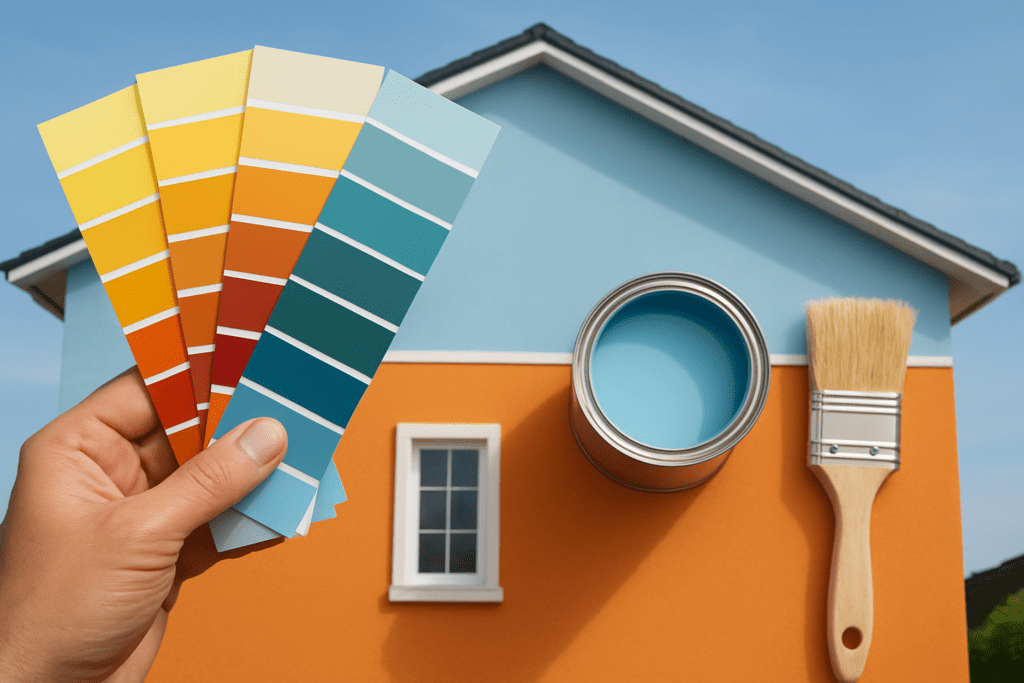
Investing in your dream home from abroad as a Non-Resident Nepali (NRN) is both thrilling and demanding. Every detail, down to the paint on your walls, plays a dual role: enhancing beauty and shielding your investment from Nepal’s fierce climatic swings. The wrong choice can lead to peeling facades, damp interiors, and endless maintenance costs. This guide is crafted to help you navigate paint selection with confidence, blending international expectations with local wisdom, so your remittance builds a home that stands proud for decades.
Understanding Nepal’s Unique Climate Challenges for Paints
Nepal’s topography creates a mosaic of microclimates, but common challenges permeate all regions: torrential monsoon rains, high humidity, intense ultraviolet (UV) radiation at altitude, and abrasive dust storms. In the Kathmandu Valley, summers are hot and wet, winters dry and dusty. In the Terai, searing heat and humidity prevail. Up in the hills, cold condensation and strong sunlight wear down coatings. Therefore, exterior paint must excel in waterproofing, flexibility, UV resistance, and anti-fungal properties. The National Building Code (NBC 205: 2020) sets guidelines for paints and coatings to ensure structural safety and durability. Always check for compliance when sourcing products, as adherence can mean the difference between a 5-year and a 15-year paint job.
Monsoon-Proofing: The Ultimate Exterior Test
Monsoon rains account for 80% of Nepal’s total precipitation, often accompanied by horizontal driving winds. Poorly painted walls absorb moisture, leading to blistering, efflorescence, and mold. Choose 100% acrylic latex or elastomeric paints that form a waterproof yet breathable film, allowing water vapor to escape from inside the wall. A high-quality waterproofing primer is non-negotiable. Also ensure your house design includes wide roof overhangs or chhajas to reduce direct wall wetting—a traditional Nepali architectural wisdom.
UV Radiation and Temperature Swings
At higher altitudes like Nagarkot or Pokhara, UV levels intensify, causing fading, chalking, and brittleness in cheaper paints. Look for paints with engineered pigments and UV inhibitors. Similarly, daily temperature fluctuations (e.g., hot daytime and cool nights) cause expansion and contraction; a paint with good elongation properties prevents cracking.
Navigating Paint Types: Interior vs Exterior Selections
Not all paints are equal; the market offers a bewildering range. Here’s how to pick the right type for each surface in a Nepali context.
Exterior Paints
- Water-Based Acrylic Emulsions: The gold standard for exterior walls. They are durable, UV-resistant, washable, and allow walls to breathe. Ideal for brick and concrete plaster.
- Textured Finishes: Increasingly popular in modern homes, texture coatings hide minor plaster imperfections and offer a premium, contemporary look. They require skilled application but add an extra layer of weather resistance.
- Oil-Based Paints: Once common, they are now rarely used for walls due to high VOC emissions, long drying times, and tendency to become brittle. Reserve for metal grills or gates if needed.
Interior Paints
- Plastic Paints (Acrylic/Emulsion): Washable, stain-resistant, and available in matte, satin, or eggshell finishes. Choose low-VOC, odorless formulas for healthier indoor air, especially important in tightly sealed modern apartments.
- Distemper: A budget-friendly chalk-based option for ceilings or rental properties. Not washable and less durable, but still common in Nepal’s affordable housing sector.
- Mold-Resistant Paints: For bathrooms, kitchens, and damp basements, these contain fungicides to combat black mold—a persistent issue during monsoon.
Pro tip: For NRNs looking to elevate interiors, consider a matte finish for a sophisticated, velvety look, but ensure it’s from a premium brand that offers scrubbability.
Color Selection: Harmonizing with Nepali Architecture and Psychology
Color transforms a house into a home. In Nepal, your choice should resonate with the cultural landscape and local aesthetics.
- Traditional Hues: Earthy reds, ochre, and terracotta mirror the natural brick and clay surroundings. These are timeless in Newari-style homes and pagoda structures.
- Modern Neutrals: Grays, beiges, and off-whites provide a clean canvas and reflect heat, keeping interiors cooler—a strategic advantage in the Terai.
- Accent Walls: A pop of bold color (deep blue, olive green, or saffron) on one wall adds character without overwhelming the space.
- Climate-Responsive Colors: Light tones reduce heat absorption, potentially lowering indoor temperatures by several degrees. In cooler high-altitude areas, darker shades can trap warmth, but balance with passive solar design.
- Cultural Nuances: Some families may consider Vastu or Feng Shui principles. For example, certain colors are associated with directions and elements. While not mandatory, being aware helps when discussing with elders or traditional architects.
Always test paint samples on your actual wall under different daylight conditions, as Nepal’s intense sun can alter perception.
Surface Preparation: The Nepali Standard for Long-Lasting Paint
The finest paint cannot rescue a poorly prepared wall. Nepali construction predominantly uses brick or concrete block masonry with cement plaster. Proper preparation is a science:
- Curing: Fresh plaster must cure for at least 28 days—longer in monsoon, as residual moisture causes alkali attack and peeling. Accelerated curing methods exist but consult your engineer.
- Levelling and Filling: Inspect for undulations, cracks, and honeycombing. Use polymer-modified putty to create an even, smooth base. Let it dry completely.
- Priming: Apply a high-strength primer to seal porosity and bind loose particles. For exterior walls, a waterproofing primer prevents damp ingress. For metal surfaces, use anti-rust primer.
- Checking for Dampness: Use a moisture meter; walls should have below 12% moisture content. Never paint on a damp wall—it’s the fastest route to failure.
For older homes, address seepage issues first. Waterproofing the roof and repairing any cracks are prerequisites to a successful paint job. GharNaksa’s pre-paint inspection often uncovers hidden issues that save NRN clients from future heartaches.
Smart Budgeting with Remittance: Quality Over Quick Fixes
As an NRN, every rupee transferred carries the weight of your labor. Paint is not a place to cut corners. Cheap paint may cost NPR 150–200 per square foot, but a premium acrylic emulsion (around double) can triple the lifespan. Factor in the cost of labor, scaffolding, and surface prep—usually 60–70% of the total project cost. Here’s how to optimize:
- Buy in Off-Season: Purchase paint and schedule application in the post-monsoon window (October–November) when demand dips slightly. Avoid the peak monsoon months (June–August) altogether.
- Use Local Brands Wisely: Nepali brands like Pashupati Paints offer cost-effective distempers, but for exteriors, stick with established names like Asian Paints, Berger, or Nerolac for guaranteed performance.
- Avoid Overordering: Work with a professional estimator. Leftover paint is wasted remittance. GharNaksa’s digital take-off services provide precise quantity calculations.
- Group Projects: If multiple NRN friends are building simultaneously, bulk purchasing from dealers can yield discounts.
Remember, the true expense is not the paint but the repainting cycle. An intelligent upfront investment saves you the hassle and expense of redoing it from overseas.
Professional Execution: Why Trust Experts Like GharNaksa
Managing a paint project abroad is daunting. Miscommunication, poor workmanship, and weather misjudgments are common. GharNaksa bridges this gap with experienced, vetted teams that follow NBC guidelines and international best practices. We provide:
- Detailed material specifications and sample approvals via video call.
- Weekly progress reports with high-resolution photos.
- Quality checks before each coat (primer, putty, topcoat).
- Flexible remote collaboration—many NRNs feel they are walking their site through our digital platform.
DIY is risky unless you’re on-site; skilled painters are abundant, but verifying their technique (e.g., sanding between coats, roller vs. brush selection) requires expertise. Let us handle the micro-details while you focus on your career abroad.
Frequently Asked Questions About House Painting in Nepal
What is the best season to paint a house in Nepal?
The ideal window is post-monsoon, from late September to November, when skies are clear, humidity is low, and temperatures are mild. Avoid painting during the monsoon (June–August) or peak winter (December–January) when cold conditions hinder drying and adhesion.
How often should I repaint my exterior walls in Nepal?
With high-quality acrylic paint and proper surface prep, exterior walls can last 7–10 years. However, exposure to extreme sun or dust may necessitate a recoat every 5 years in harsh locations. Interior paints typically last 5–7 years before needing a refresh.
Can I use exterior paint indoors?
Not recommended. Exterior paints contain higher levels of volatile organic compounds (VOCs) and fungicides that can compromise indoor air quality. Always use zero-VOC or low-VOC interior paints for living spaces.
How can NRNs manage painting work remotely from abroad?
Partner with a reputable local firm like GharNaksa that offers virtual supervision. They send daily photo updates, conduct video walkthroughs, and ensure the contractor adheres to specifications. Also, designate a trusted local contact or family member for occasional spot checks.
What paint finish is best for high-moisture areas like bathrooms?
A satin or semi-gloss acrylic enamel with anti-fungal properties works best. These finishes repel water, prevent mold, and are easy to wipe down. Ensure the ceiling has adequate ventilation to reduce moisture buildup.
Your Home, Our Commitment: Let GharNaksa Bring Color to Your Vision
Choosing paint for a Nepali home involves far more than picking colors. It’s a strategic decision that merges climate resistance, cultural aesthetics, and financial prudence. For NRNs, the stakes are higher—distance shouldn’t dilute quality. At GharNaksa, we’ve guided countless families in Kathmandu and beyond, turning their house blueprints into vivid realities. From expert color consultations to full-scale project management, we ensure every coat aligns with your dreams and Nepal’s demanding environment. Reach out today for a personalized consultation, and let’s paint a future that inspires.