
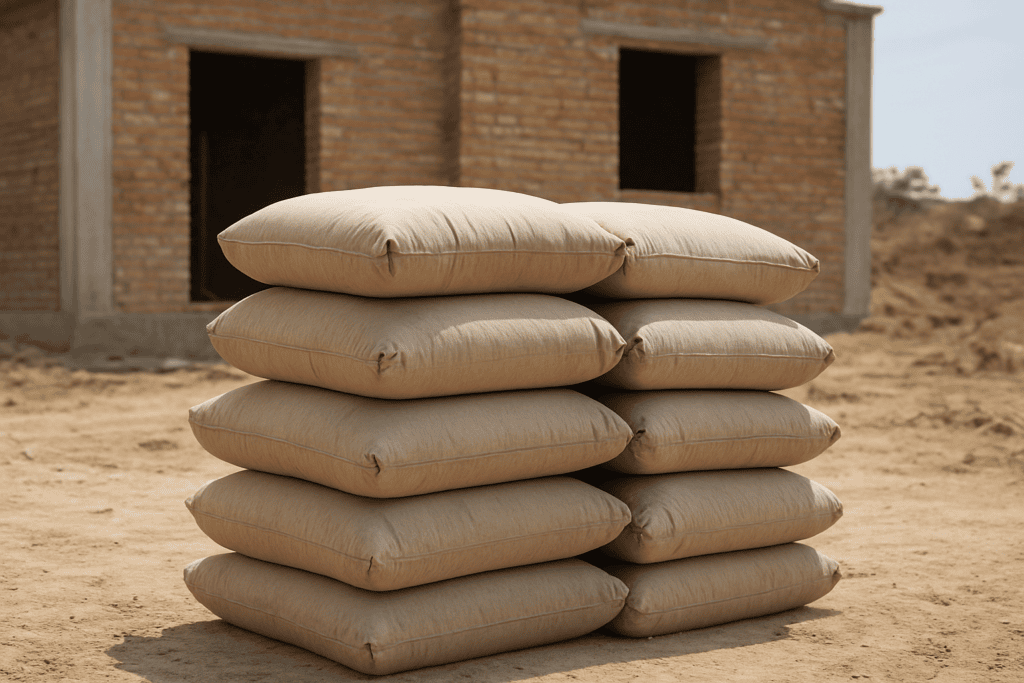
If you are building or renovating a house in Nepal, the first material question is often simple: what is the 1 bag cement price in Nepal right now? One bag is the unit every site engineer, contractor, and homeowner uses to plan daily pours, compare dealers, and control cash flow. This guide explains typical PPC and OPC bag pricing patterns for 2026, why rates differ by brand and city, how many bags you may need, and how to buy without overpaying or getting weak stock.
GharNaksa works with homeowners, NRNs, and abroad-based Nepalis who need cost clarity on materials and construction. Use this page as a practical buyer checklist, then confirm live dealer quotes before you order.
1 Bag Cement Price in Nepal 2026: Quick Overview
Cement in Nepal is sold mainly in standard bags (commonly 50 kg). Retail pricing moves through the year, so a single “fixed” national rate does not hold for long. What stays useful is knowing the split between PPC and OPC, the premium for trusted brands, and the extra you pay outside major supply hubs.
PPC vs OPC: what you usually pay for one bag
- PPC (Portland Pozzolana Cement) — Widely used for general house work such as brick masonry, plaster, and many slab/beam mixes when the design allows. PPC is often the more economical choice per bag for day-to-day residential work.
- OPC (Ordinary Portland Cement) — Preferred where higher early strength or specific structural specs are required. OPC bags are commonly priced higher than comparable PPC from the same brand tier.
- 1 bag PPC cement price — Tracked by homeowners more than any other SKU because PPC covers most repeating site needs. Always compare same bag weight, same grade claims, and same delivery terms.
For the latest published ranges by type and updates through 2026, see our main Cement Price in Nepal 2026 page and match those figures with at least two authorized local dealers before you lock a bulk order.
Brand and city differences
Two bags labeled “PPC” are not automatically the same value. Price and reliability shift with:
- Brand tier — Established mills and popular retail brands usually sit above lesser-known labels. You are partly paying for consistency, packing quality, and easier site acceptance by engineers.
- City and corridor — Kathmandu Valley, Pokhara, Biratnagar, Birgunj, Butwal, Nepalgunj, and far-west markets each reflect different transport legs from plant or border supply. Valley rates can differ from Terai wholesale belts on the same day.
- Dealer type — Factory-authorized dealers and large distributors often beat informal roadside rates once you count correct weight, fresher packing date, and proper bill.
- Pickup vs delivered — The bag price on a board may exclude loading, short-haul transport, or upper-storey lifting at your plot.
What Moves Cement Bag Prices in Nepal
Understanding drivers helps you time purchases and avoid panic buying.
Season and construction demand
Peak building months tighten supply at the retail counter. After major festivals and during dry-season casting windows, demand for PPC rises sharply. Monsoon slowdowns can ease spot prices but complicate storage on wet sites.
Transport, fuel, and logistics
Cement is heavy. Any change in fuel cost, road disruption, or longer haul from plant to dealer shows up quickly in the per-bag retail figure—especially outside main highway towns.
Raw materials, energy, and policy
Clinker availability, import-related inputs, energy costs at the plant, and tax or levy changes all feed into MRP and dealer margins. When upstream costs rise, OPC and PPC usually move together, though the gap between them can widen or narrow by brand strategy.
Local competition and stock freshness
Areas with many authorized counters stay more competitive. Sparse markets may show higher tags even when factory invoices have not changed. Old stock discounted heavily can look cheap and still cost you in strength—price is only half the decision.
PPC Cement Price in Nepal: How to Read the Quote
When someone answers “ppc cement price in nepal,” ask for the full quote structure, not only the headline number:
- Bag weight and cement type (PPC vs OPC) clearly stated
- Brand and any grade marking on the bag
- Whether rate is per bag ex-godown or delivered to site
- Minimum quantity for that rate (1 bag vs 50+ bags)
- Bill/VAT invoice availability
- Packing date batch and return policy for damaged bags
A slightly higher 1 bag PPC cement price from an authorized dealer with fresh stock and clean billing is often cheaper than a “deal” that short-weighs or fails on site tests.
How Many Cement Bags Do You Need?
Bag price only helps after you estimate quantity. Exact needs must follow your structural drawings and the mix design your engineer approves. The figures below are planning rules of thumb for early budgeting—not substitutes for design quantities.
Per cubic meter of concrete (indicative)
Concrete cement content depends on mix ratio (for example lean mixes vs richer structural mixes), aggregates, and slump needs. As a rough planning band, many common residential mixes land on the order of several bags of cement per cubic meter. Richer structural mixes use more cement per m³ than lean blinding concrete. Always convert your engineer’s kg/m³ cement content into bags using the actual bag weight you will buy.
Per room (very rough homeowner estimate)
“Per room” varies with room size, wall height, plaster thickness, slab span, and whether you count only slab or full room shell (foundation share, columns, beams, brickwork, plaster). For early cash planning:
- List each work item: foundation, RCC frame, brick/block masonry, flooring screed, internal plaster, external plaster.
- Take quantities from the estimate or naksa BOQ, not from room count alone.
- Add a contingency for wastage, breakage, and site losses (your engineer or experienced contractor should set this percentage).
- Multiply total bags by the dealer’s delivered per-bag rate for PPC or OPC as specified.
If you are still at concept stage, pair bag estimates with a full project budget on our house construction cost in Nepal guidance so cement is not planned in isolation from steel, brick, labor, and finishing.
Simple worksheet you can reuse
- Confirm bag weight on the brand you will actually purchase.
- Separate PPC line items from OPC line items if the design uses both.
- Get three dealer quotes on the same day with same delivery point.
- Lock storage space that stays dry before the truck arrives.
- Schedule delivery close to casting or masonry days to avoid month-long moisture exposure.
OPC and PPC: Which Bag Should Your House Use?
Homeowners often default to the cheaper bag. Better practice is to follow the structural specification:
- Use the type named in the design for RCC members when the engineer has been explicit.
- PPC is common for masonry and plaster and for many general concrete works where approved.
- OPC may be specified where early strength or particular exposure conditions matter.
- Do not mix random brands and types in the same structural pour unless the engineer agrees.
Switching type only to chase a one-day price dip can create inconsistent quality across the frame. Save money on logistics and wastage first; change cement type only with technical approval.
Buying Tips: Get Fair Price and Usable Stock
1. Prefer authorized dealers
Authorized counters reduce the risk of relabeled or poorly stored bags. Ask for a proper bill in the name you need for project records—especially useful if you are managing the build from abroad through family or a representative.
2. Read the bag before you pay
- Packing date / batch information
- Cement type (PPC or OPC) and brand integrity on stitching and print
- No torn corners, hard lumps, or dampness
- Spot-check weight on a sample of bags if you are taking a large load
3. Compare delivered cost, not board price alone
Add transport, loading, and any “upper floor” carrying. A low godown rate can lose to a slightly higher delivered rate that arrives on time for your casting slot.
4. Store correctly on site
Raise bags on a dry platform, keep them covered, away from exterior walls that wick moisture, and use first-in first-out. Cement that sets in the bag is a total loss no matter how good the purchase rate was.
5. Align purchase with the construction schedule
Buying your entire project cement on day one ties up money and risks aging. Buying too late forces emergency retail premiums. Stage orders around foundation, frame, and finishing phases with buffer for holidays and road delays.
6. Keep transparency if you build from abroad
Ask your site representative for photos of bag labels, weighbridge or delivery challans, and daily use counts. GharNaksa’s approach to cost clarity, contractor coordination, and site updates is built around this kind of verifiable reporting so material money is traceable.
How to Estimate Your Cement Budget in 2026
Work in this order:
- Freeze architectural and structural quantities (naksa and design basis).
- Split cement by type as specified (PPC vs OPC).
- Convert kg to number of bags using the bag weight you will buy.
- Apply a sensible wastage allowance agreed with your engineer/contractor.
- Multiply by today’s delivered quote from authorized dealers in your district.
- Revisit quotes at each major phase—rates can shift within 2026.
Cross-check phase totals against the broader build budget in our house construction cost resources and track material benchmarks on Cement Price in Nepal 2026.
Common Mistakes That Inflate What You Pay
- Ordering mixed leftover brands for structural members
- Ignoring packing dates because the rate looked low
- Accepting short deliveries without counting bags off the truck
- Storing cement on damp ground under thin tarps
- Planning only “per room” without a BOQ, then running out mid-slab
- Skipping invoices and losing leverage if quality is disputed
FAQs
What is the 1 bag cement price in Nepal right now?
It depends on PPC vs OPC, brand, city, and whether the rate includes delivery. Check same-day quotes from authorized dealers and compare them with the ranges updated on our Cement Price in Nepal 2026 page.
Is PPC cheaper than OPC per bag?
Often yes for comparable brand tiers, which is why PPC dominates many residential masonry and general works. Your engineer’s specification should still decide where OPC is required.
How many bags do I need for one room?
There is no single number. Room size, wall area, plaster, and whether slab and beams are included change the total. Use drawing-based quantities, then convert cement kg to bags.
What should I inspect on each cement bag?
Type (PPC/OPC), brand, packing date, bag condition, and weight on sample bags. Reject wet, torn, or lumpy stock.
Plan Cement With the Rest of Your House Build
One bag price is a starting point. A reliable house budget connects cement with steel, bricks, labor, naksa timelines, and finishing—and keeps proof of what was delivered on site. GharNaksa helps Nepali homeowners and NRNs get practical cost clarity, contractor coordination, and transparent project representation while building in Nepal.
When you are ready to move from bag rates to a full construction plan, review the latest benchmarks on our Cement Price in Nepal 2026 guide, map your phase-wise budget, and set up clear site reporting so every bag paid for is a bag used well.