
Introduction
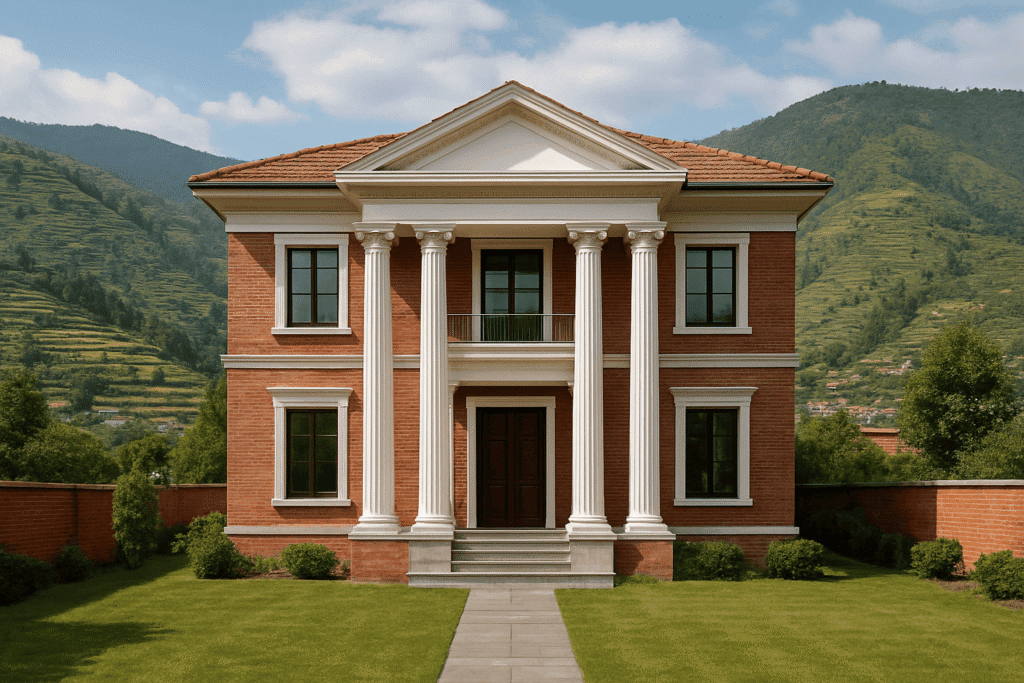
Imagine stepping into a home that echoes the grandeur of ancient Greek and Roman temples, yet embraces the comfort and functionality of modern living. That’s the magic of neoclassical house design. In Nepal, a country rich in cultural heritage and diverse landscapes, neoclassical architecture is gaining traction among homeowners who desire elegance, proportion, and lasting appeal. For Non-Resident Nepalis (NRNs) planning to build back home, this style offers a perfect bridge between Western classicism and the structural realities of Nepal. At GharNaksa, we specialize in making that vision a reality, handling everything from design to construction supervision, so you can build with confidence from anywhere in the world.
What is Neoclassical Architecture?
Neoclassical architecture emerged in the mid-18th century as a revival of classical Greek and Roman design principles. It emphasizes symmetry, clean lines, and geometric forms, often featuring grand columns, pediments, and domes. Unlike the ornate Baroque style that preceded it, neoclassicism is restrained and orderly. In residential design, this translates to stately façades, balanced window placement, and a sense of timeless sophistication.
Common features include:
-
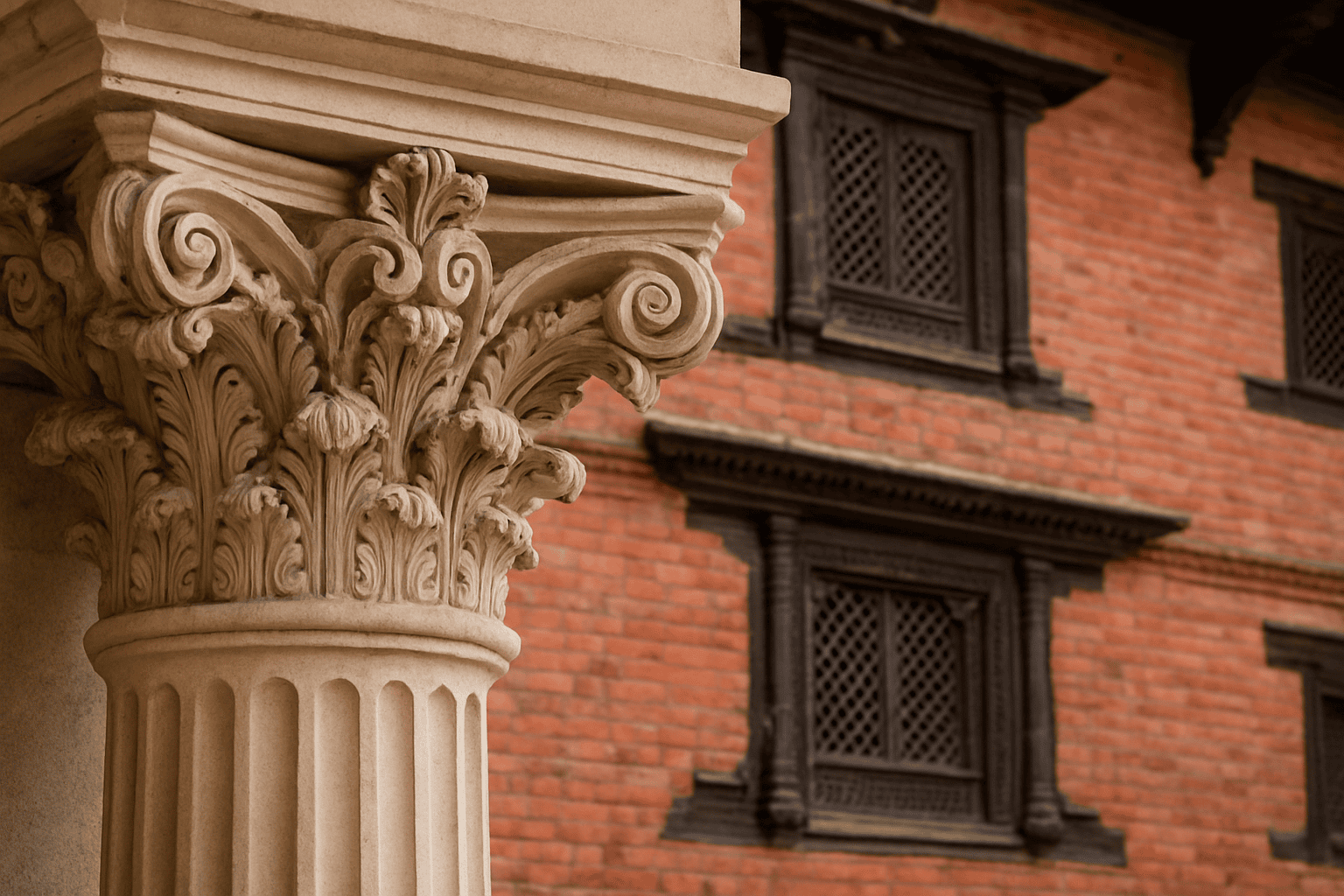
Columns and Pilasters: Typically Doric, Ionic, or Corinthian orders, supporting a portico or framing the entrance.
-
Symmetrical Façade: Doors and windows are evenly spaced around a central axis.
-
Pediments and Cornices: Triangular or curved elements above windows or entryways, adding a sculptural touch.
-
Durable Materials: Historically stone; in Nepal, high-quality brick, concrete, and sometimes marble or granite veneers.
Neoclassical design is not about slavish imitation but about adapting classical ideals to contemporary needs. In a Nepali context, that means merging these elements with local materials, climate considerations, and seismic safety.
Why Choose Neoclassical for Your Nepal Home?
For NRNs and local homeowners alike, a neoclassical house makes a lasting impression. Here’s why it works especially well in Nepal:
Timeless Appeal
Trends come and go, but classical proportions never date. A well-designed neoclassical home will look as elegant in twenty years as it does today. This is a crucial factor when you’re investing in a property you may want to pass down through generations.
Status and Identity
A neoclassical façade commands respect and reflects a strong aesthetic sensibility. For NRNs returning to build a family home, it signals success and grounding in global tastes while staying rooted in Nepali soil.
Flexibility with Modern Layouts
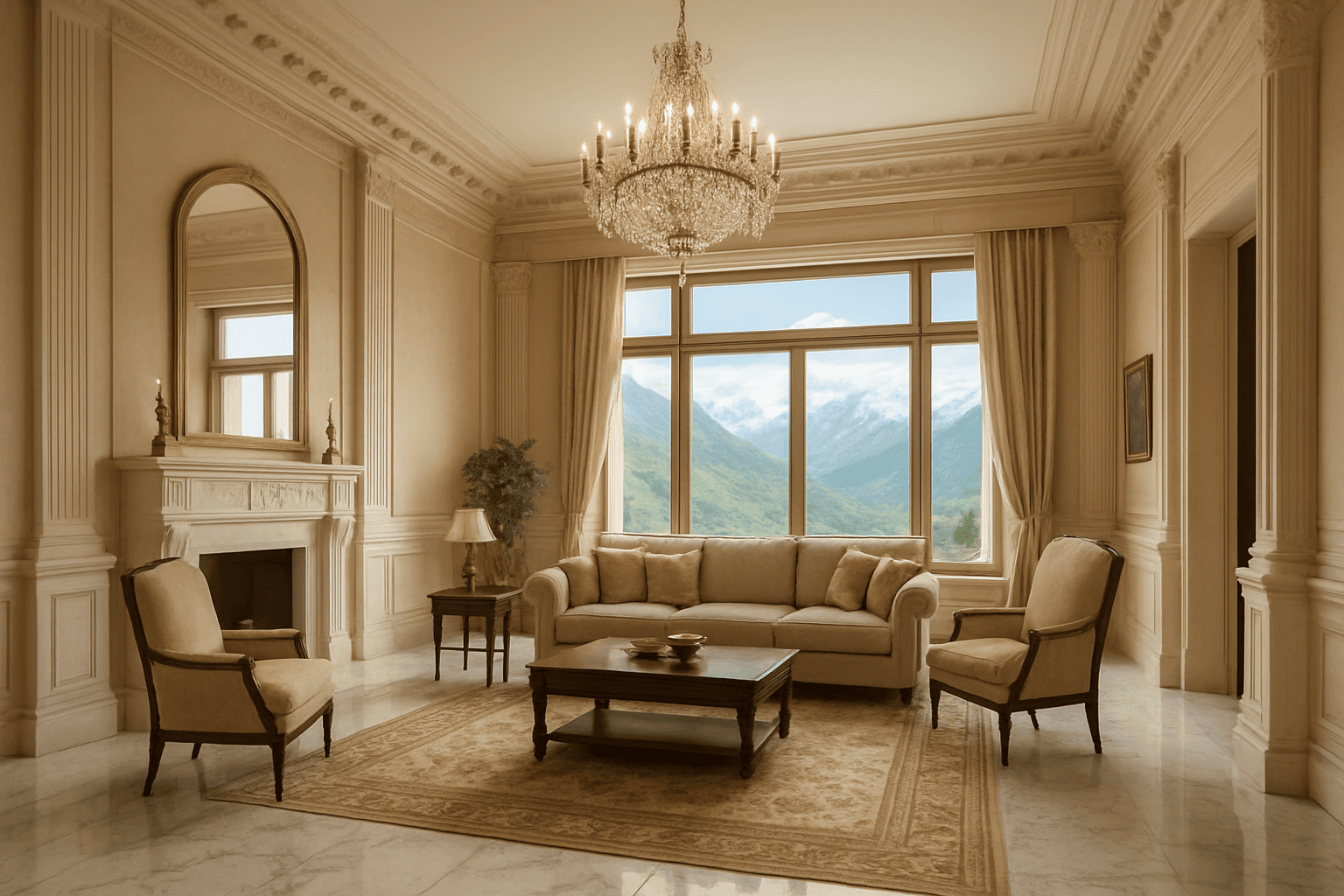
Inside, you can have open-plan living, modern kitchens, and smart home technology—all behind a classic exterior. The contrast can be stunning and practical.
Climate Responsive
Classical features like deep cornices and covered porticos offer shade in summer and shelter from monsoon rains. When combined with proper insulation and ventilation, they enhance thermal comfort without relying purely on mechanical cooling.
Seismic Resilience
Nepal’s seismic activity demands robust construction. Neoclassical designs can be engineered with reinforced concrete frames and symmetrical layouts, which inherently perform better in earthquakes than irregular shapes. By working with architects who understand the National Building Code (NBC), you can achieve both beauty and safety.
Key Elements of Neoclassical House Design in Nepal
Adapting neoclassical style to Nepal requires thoughtful integration of global design principles with local contexts. Here’s what to focus on:
1. Proportion and Scale
Neoclassical design is all about balance. In the Kathmandu Valley, where plots may be smaller, you can scale down classical elements without losing impact. A modest porch with two columns, a centered gable, and evenly spaced windows can create the effect without overwhelming a small lot.
2. Material Choices
In Nepal, brick and concrete are the primary construction materials. For a neoclassical look, you might use:
-
Exposed brick with white or cream-colored trims to mimic stone.
-
Cement plaster in light shades, polished to resemble marble.
-
Local stone (like slate from the hills) for accents or columns.
-
Ceramic tiles or granite for flooring and steps.
These materials are readily available and cost-effective, while still delivering a premium appearance when detailed correctly.
3. Roof Design
Traditional pitched roofs with slate or tiles suit Nepal’s monsoon climate. A neoclassical twist can include a pedimented gable or a low-pitched hipped roof with a central dome or cupola. Flat roofs with parapet walls can also work, especially in urban areas like Kathmandu, where you can add rooftop gardens—a hybrid of classic and modern.
4. Windows and Doors
Large, symmetrically placed windows are a hallmark. In Nepal, consider using UPVC or aluminum frames with double-glazing for insulation and noise reduction. Accentuate with arched headers or pilaster mullions to reinforce the classical feel. Solid wooden doors with paneling and decorative fanlights above add grandeur.
5. Landscaping and Site Planning
Neoclassical homes are often set back from the road with a formal garden or courtyard. In a terraced landscape, you can create a dramatic entrance via stairs flanked by columns or planters. Incorporating indigenous plants like rhododendron and jasmine maintains a Nepali identity while enhancing the classical setting.
Navigating Regulations: Building Codes and Permits
Before you break ground, ensure your design complies with Nepal’s building codes. The Department of Urban Development and Building Construction (DUDBC) enforces the NBC, which includes guidelines for structural safety, fire protection, and accessibility. Key points:
-
Seismic Design: Your structure must adhere to NBC 105 for earthquake resistance. A symmetrical neoclassical plan can simplify compliance.
-
Height and Setbacks: Depending on the municipality, there are limits on how tall and how close to the boundary you can build. Your architect will integrate these into the design.
-
Naksa Pass: The municipal blueprint approval process (Naksa Pass) is mandatory. At GharNaksa, we handle this entire process, ensuring your neoclassical design meets all regulatory requirements without delays.
For NRNs, navigating these regulations from overseas can be daunting. Our team acts as your local representative, providing regular updates and managing approvals so you can focus on the excitement of your new home.
Cost Considerations for a Neoclassical Home
While we avoid fixed numbers (as costs vary widely based on location, materials, and finishes), a neoclassical home can be cost-competitive with other premium styles. The key is planning and material selection. Here are factors that influence your budget:
-
Design Complexity: More columns, intricate cornices, and custom stonework increase costs. However, a simpler symmetrical design with clean lines can be very affordable.
-
Material Choices: Using locally sourced brick and plaster instead of imported marble dramatically reduces expense.
-
Labor: Skilled masons in Nepal are adept at creating decorative concrete elements; pre-cast columns and cornices are cost-effective alternatives to hand-carved stone.
-
Finishes: The interior can range from standard painting to premium woodwork and imported fixtures. An NRN building through GharNaksa receives transparent cost breakdowns and can make informed choices that respect both their taste and budget.
Ultimately, the value lies in the long-term durability and timeless beauty that may increase your property’s resale and rental potential.
How GharNaksa Can Bring Your Neoclassical Vision to Life
Building a home is a monumental task, especially when you’re overseas. At GharNaksa, we specialize in serving NRNs and locals who demand quality, trust, and cosmetic elegance. Our process:
-
Consultation & Design: We listen to your ideas, lifestyle needs, and budget. Our architects create a custom neoclassical design that fits your plot and complies with NBC.
-
Naksa Pass & Approvals: We handle the municipal paperwork, so you don’t have to deal with bureaucracy.
-
Transparent Costing & Material Selection: You get detailed quotes and can choose materials with our guidance, ensuring no hidden costs.
-
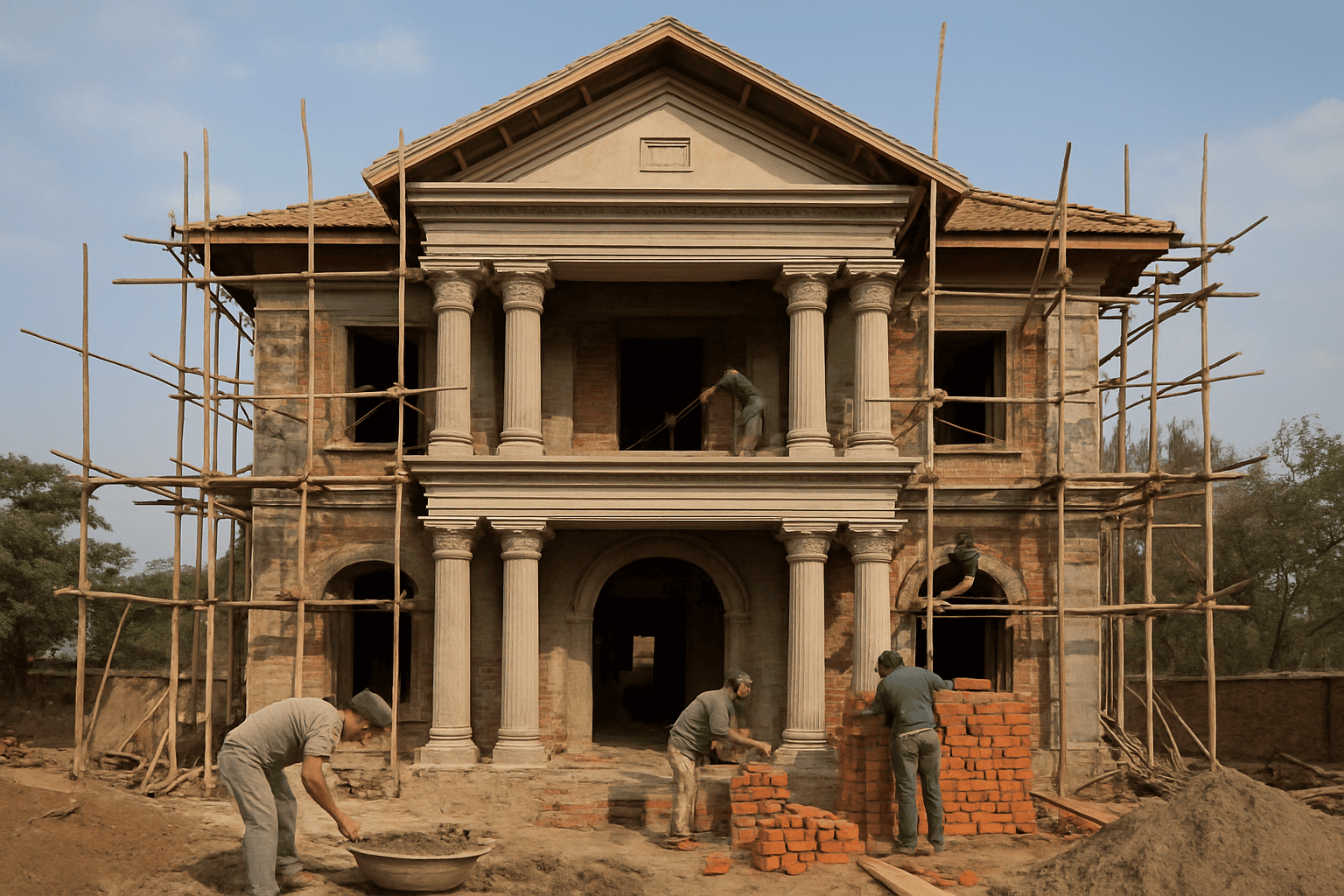
Construction Supervision: Our site engineers closely monitor quality, from foundation to finishing. For NRNs, we provide daily photo/video updates and hold virtual walkthroughs.
-
Handover & Aftercare: We ensure every detail is perfect before handing over the keys, and we remain available for any post-construction support.
Whether you want a compact neoclassical villa in Pokhara or a spacious hillside mansion in Dhulikhel, our team has the expertise to deliver. Explore our house design services or read our construction guide for NRNs.
FAQs About Neoclassical House Design in Nepal
Is neoclassical design expensive compared to modern styles?
It can be comparable, depending on choices. Using local materials and pre-cast elements keeps costs in check. The symmetrical layout can also make construction more efficient.
Can neoclassical houses withstand earthquakes in Nepal?
Yes, when properly engineered. The symmetrical shape is inherently better for seismic performance, and the reinforced concrete frame required by NBC ensures safety.
How do I get a neoclassical house design approved in Nepal?
You need municipal approval (Naksa Pass). At GharNaksa, we prepare all drawings and documentation and liaise with the municipality on your behalf.
What is the typical construction time for a neoclassical home?
It depends on size and complexity. A medium-sized house (2-3 storeys) may take 12-18 months from foundation to finishing, subject to weather and other site conditions.
Can I incorporate traditional Nepali elements into a neoclassical design?
Absolutely. Many homeowners blend features like carved wooden brackets (tundal) or pagoda-style roofs with classical columns and symmetry, creating a unique fusion style.
Begin Your Neoclassical Journey Today
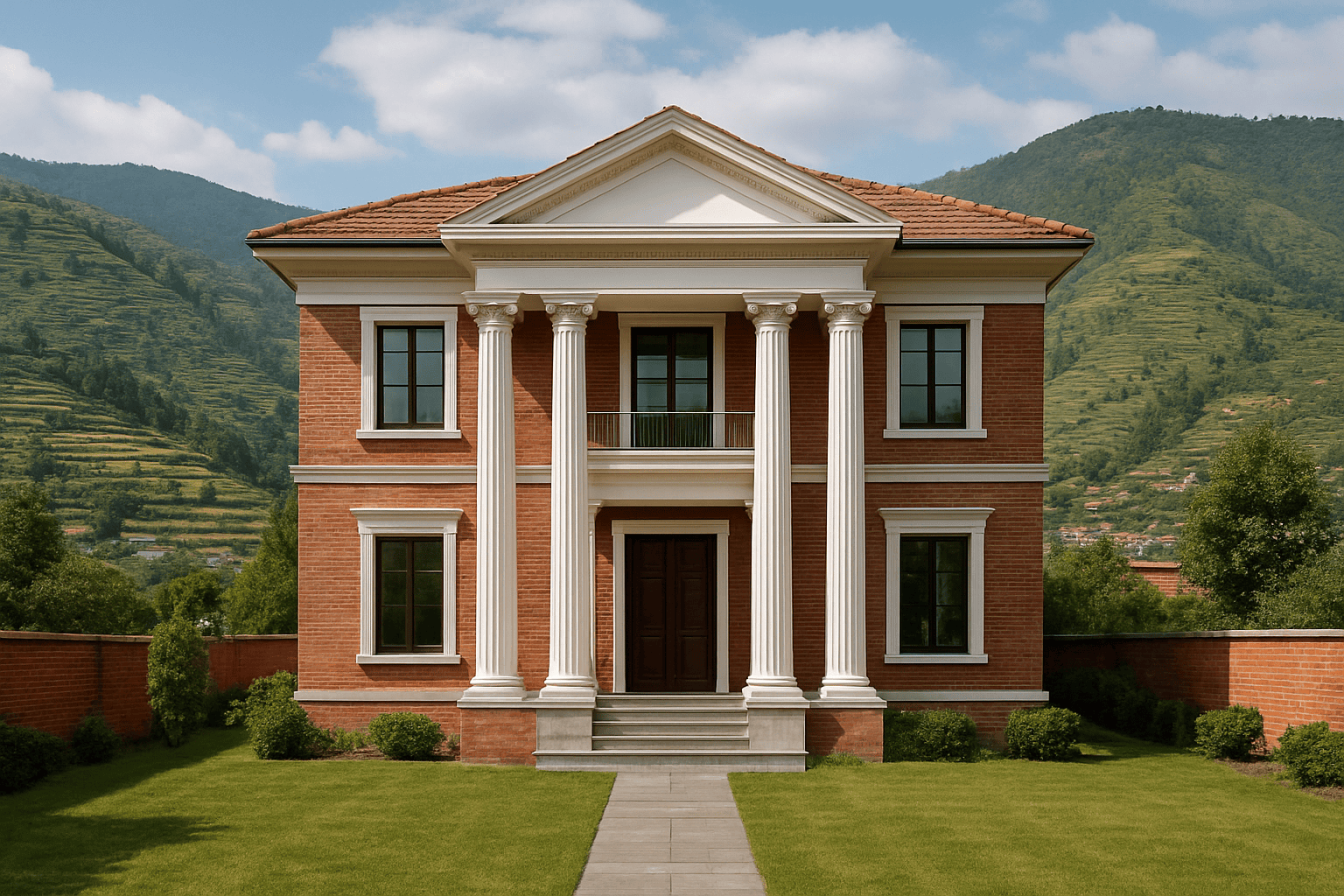
A neoclassical house is more than a building—it’s a statement of grace, permanence, and thoughtful living. In the beautiful landscapes of Nepal, this style harmonizes with the rolling hills and vibrant communities. Let GharNaksa be your partner in turning that vision into reality. With our transparent processes, NRN-friendly communication, and deep local expertise, you can build a home that stands the test of time. Contact us today to schedule a consultation, and take the first step toward your dream neoclassical home in Nepal.